
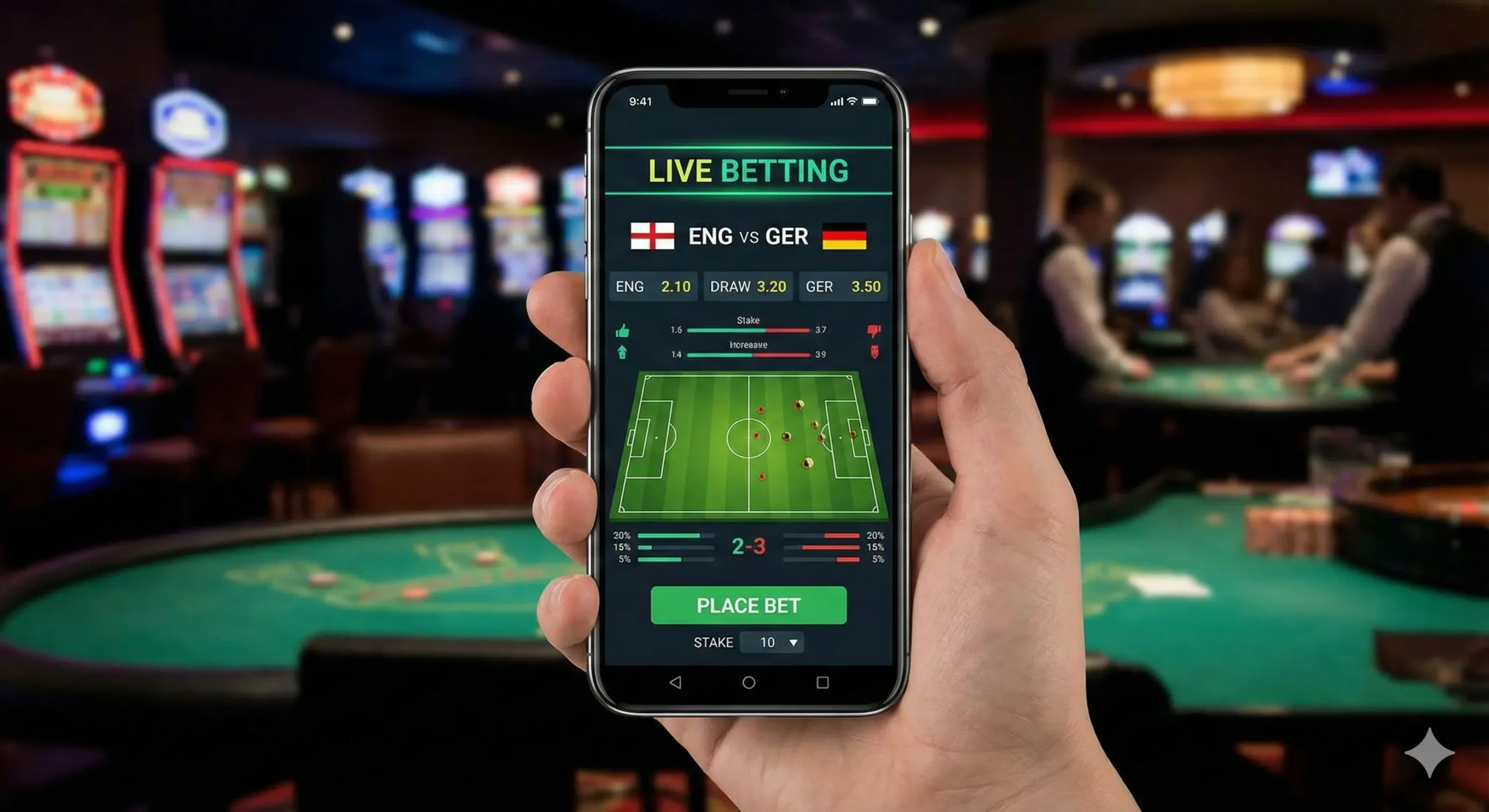
The global market for online mobile gambling reached an astounding $107.40 billion in 2024. By the first eight months of 2025, Americans had bet over $90 billion with commercial sportsbook operators. Placing bets from smartphones has changed how people gamble, but this huge expansion brings serious concerns that need attention.
A surprising fact hides behind the massive growth of the mobile gambling market: around 16% of online sports bettors qualify as having gambling disorders. More , 22% of those betting via mobile devices admitted to problem gambling behaviors. Even with these concerns, the online gambling world keeps growing . Experts predict it will hit $261.34 billion by 2034.
When looking at gambling industry trends, the move toward mobile and online betting stands out the most. Shifts in consumer habits and new technology drive this change. But this fast-paced growth brings up hard questions about addiction, money loss, and weak regulations, all of which we will dig into in this article.
The rise of mobile gambling in 2025
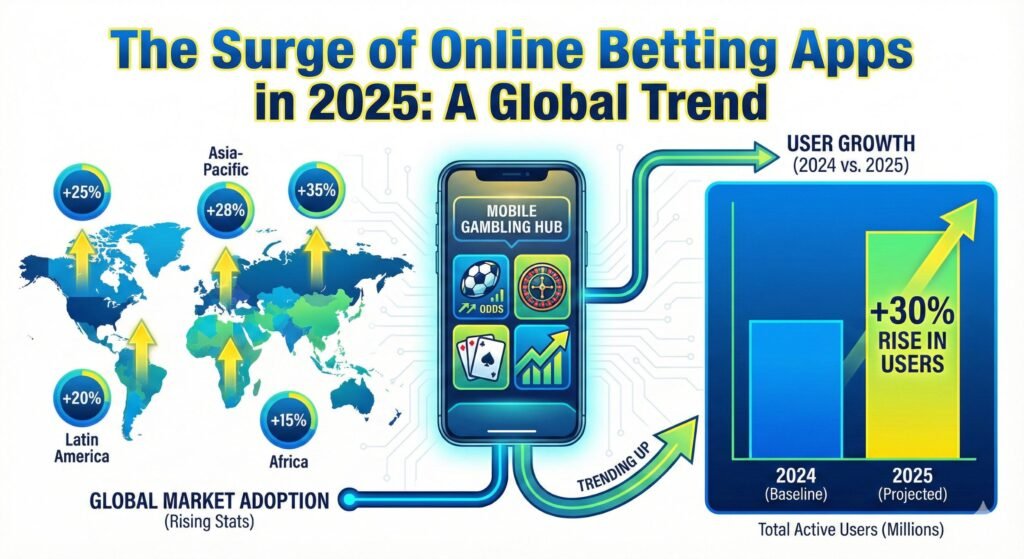
Since 2018 mobile gambling has changed in a big way sparking a brand-new connection between players and online betting platforms. By 2025, gambling through smartphones has become the main driver of growth in the industry. It has shifted user habits and how regulations work.
How mobile apps reshaped gambling
A major shift in gambling started when advanced betting apps became available. These apps changed what users expect from the experience. In the United States, sports betting apps brought in $13.70 billion in revenue during 2024 marking a 25.6% climb compared to the year before. Technology made this change happen by giving mobile devices more power and better graphics, which allow for more engaging gambling experiences.
Gambling apps today offer things that were once unthinkable in traditional casinos. They include live dealer games simple one-hand controls push alerts to show changes in odds, and even biometric security to keep transactions safe. Mobile gambling platforms also bring new features like in-play betting. This lets players bet while games are happening, with odds that update in real time. This shift in technology has made gambling easier to access and is drawing in younger people, who now see mobile betting as just another type of digital fun.
Main online gambling stats from 2024–2025
The stats tied to mobile gambling’s growth tell an interesting and fast-paced success story.
- The global mobile gambling market reached $74.5 billion in 2024. Experts expect it to grow reaching $239.5 billion by 2035. This shows an annual growth rate of 11.2%.
- Mobile gambling leads online activity making up more than 60% of total online gambling earnings.
- In 2024, U.S. commercial gaming hit a new high of $72.04 billion up by 7.5% compared to 2023.
- Out of 38 states with legal gambling, 28 reported record-breaking revenue in 2024.
- Revenue from iGaming in seven states where online casinos are legal hit $8.41 billion in 2024. This marked a 28.7% growth compared to the previous year.
- By Q2 2025, 30% of consumers participated in betting, a rise from 25% during the same quarter in 2024.
Mobile sports betting is growing much faster than retail betting. In 2024 online sports betting brought in over 27% more revenue, while retail betting saw a drop of more than 23%. This big difference shows that people prefer betting on their phones over visiting physical locations.
Reasons why mobile betting is becoming more popular
Many connected factors are speeding up the growth of mobile gambling. One big reason is the massive use of smartphones. Over 4.3 billion people now own them, which is about 54% of everyone in the world. This has set the stage for huge growth. Internet download speeds also got much faster going from 12.0Mbps in 2017 to 33.9Mbps in 2022. This makes games and betting apps work better and faster.
Laws have had a huge impact too. Back in 2018, the Supreme Court struck down federal restrictions, and since then, sports betting has become legal in over 25 U.S. states. Another boost comes from the use of secure payment options like e-wallets and cryptocurrencies. These have made gambling much easier for users.
Changing demographics play a key role in boosting growth. Activity surged the most among Gen Z and Millennial gamblers jumping by 34% and 42%. These younger users often city residents who understand cryptocurrency and use mobile tech , are set to become the main audience driving mobile gambling forward.
A mix of better technology shifting regulations, and changing user habits has set up ideal conditions for mobile gambling to grow through 2025 and beyond. The spread of 5G technology will speed up the rise of mobile-focused gambling platforms even further.
How gambling apps keep players engaged
The rapid rise of mobile gambling apps comes from clever strategies aimed at keeping players hooked and spending more. Developers use a mix of psychology and tech tools to turn casual users into regular players.
Gamification and reward features
Many gambling apps add gaming aspects to make betting feel more engaging. Some of these features are:
- Badges, points, achievements, and leaderboards that give users a feeling of success and growth.
- Loyalty programs with multiple stages letting players gain ranks and rewards as they play more.
- Daily tasks and personalized missions that motivate users to keep coming back.
This gamification method works well. Casinos using these systems see player retention improve by 20 to 30 percent. About 57 percent of players interact with loyalty programs each week. Businesses that use customized loyalty campaigns also see their profits grow up to 2.5 times quicker than their competitors.
Push notifications and live betting odds
Push notifications act as strong prompts for people to place bets. Studies reveal that 93 percent of notifications from big sports betting apps promote ads. These messages are sent at strategic times most often around lunchtime between 12 and 2 pm or during dinner hours from 4 to 7 pm.
These notifications have a big effect on people’s minds. They work like slot machines by creating unpredictable rewards, which causes dopamine releases that encourage people to keep checking. Many users admit they are more tempted to make impulsive bets after getting these alerts. On days when they receive notifications, their betting happens a lot more often.
Features like live betting and instant cash-outs
Placing bets during games has changed gambling from just making decisions before events into an active and ongoing activity. This option lets people bet while watching a game and as new events change the odds.
Live betting affects business outcomes. On average, sessions with live wagers include 5.7 bets, while pre-match betting sees 1.8 bets per session. Live bettors also have a 47% higher chance of returning within 30 days. Cash-out features boost player involvement by letting them take charge of risks secure winnings , or cut down losses when things are not going well.
Understanding how near-misses and micro-wins work
One of the strongest ways to keep players engaged is by using near-misses and micro-wins in a strategic way. Near-misses are when results look close to success but still end in failure. This taps into mental biases that convince players they were just shy of winning.
Research indicates that near-misses cause more physical excitement than winning or losing. This is shown in slower heartbeats and changes in skin conductance. About 30% of near-misses push people to gamble more by increasing their belief in future wins during a game.
Micro-wins work a bit . They use “variable reinforcement,” which means rewards that come make people more motivated than rewards that happen all the time. Every minor win causes dopamine to release in the brain making people want to keep playing no matter how much they are losing overall.
By using these smart methods, gambling apps build addictive feedback loops that pull users back even when they continue losing money.
The hidden dangers of mobile gambling
Online mobile gambling attracts millions with its convenience, but it hides a troubling side that brings serious problems. Studies show it can harm mental health, finances, and social relationships.
Greater chance of addiction and unhealthy habits
Having constant access to mobile gambling platforms increases the danger of addiction. Experts in psychiatry say gambling disorder happens when someone keeps betting over and over even when it causes many issues. Online gambling makes people more at risk for addiction since it’s always there anytime, on any device with internet access.
Unlike regular casinos where people need to be there in person, gambling on mobile devices gets rid of those limits. It lets users place bets whenever they want. This easy access is one reason online sports bettors tend to have much higher chances of developing gambling problems than other gamblers. Studies show their risk is at least double.
The way mobile gambling hooks people is pretty alarming. These platforms use flashy images, thrilling sounds, and instant results to spark the brain’s reward system. This process floods the brain with dopamine creating feelings of pleasure and encouraging users to keep playing. What might start as harmless fun can turn into an uncontrollable habit.
Financial Struggles and Chasing Losses
“Loss chasing” happens when people keep gambling or even bet more after losing hoping to win their money back. This trait is a key sign of problem gambling and is common online. Here are some statistics:
- A quarter of sports bettors say they struggle to pay their bills because of gambling.
- About 30% of them blame their gambling for getting into debt.
- More than 15% have taken out personal loans to fund their bets, and 12% have relied on high-interest payday loans.
Chasing losses leads to harmful cycles with mobile gambling’s quick deposit options. A $10 bet that turns into $50 or even $100 can chip away at financial security. Households already struggling with money—like students or those on tight budgets—get hit harder. They might gamble smaller amounts, but it still eats into a big chunk of what they earn.
Mental health struggles and feeling alone
Online gambling addiction takes a heavy emotional toll far beyond just money troubles. Studies show that about 96% of people battling gambling issues also deal with another mental health condition. Research confirms that:
- Gambling addiction has the highest risk for suicide compared to other addictions
- Around half of people with a gambling problem think about ending their lives
- Depression and anxiety often come hand in hand with gambling disorders
The isolated nature of mobile gambling makes these problems worse. Unlike betting in public spaces with others mobile gambling takes place alone away from the view of family and friends. This hidden behavior leads to shame. That shame often stops people from seeking help , which makes the problems grow before anyone close to them notices.
Who faces the highest risks?
Studies identify three groups as being at higher risk in today’s mobile gambling world. Knowing who these vulnerable groups are shows how the online gambling industry focuses on those most at risk of harm.
Young adults and college students
College campuses are seeing a big rise in online mobile gambling. About 67% of students living on campus are involved in betting. The numbers are shocking. 58% of people aged 18 to 22 have taken part in sports betting. A study even found that one in 10 college students can be classified as a pathological gambler.
Young men are at the highest risk:
- Men younger than 35 make up the biggest group using mobile betting apps.
- Those who gamble on sports and struggle with gambling disorders are single men under 35.
- Male students are much more likely than female students to both bet on sports and deal with gambling-related issues.
A lot of college counseling centers are still not ready to tackle gambling addiction. One expert even said that gambling “doesn’t have a home” in university support systems. It often falls somewhere between help for mental health issues and substance abuse programs.
Regular gamblers and VIP members
VIP programs often create unhealthy ties with their big-spending customers, many of whom show clear signs of addiction. While these customers make up a small group, they bring in most of the money. In some cases, they account for as much as 83% of total deposits.
The industry hires “VIP hosts” to stay in constant touch with high-value clients. One lawyer called this connection a “quasi-intimate” bond. Some people even shared that they get contacted by VIP hosts as many as 100 times in one day. These tactics push them to gamble more even when they are losing a lot.
How targeted ads and influencers play a role
Apart from regular marketing, gambling companies use advanced tools to focus on people who are vulnerable. Facebook data shows that these companies label users with many “advertising interests” and share their information to make targeting sharper. Trying to stop gambling becomes tough for many. One person in a study said they saw as many as 15 gambling ads in a row.
Influencer marketing affects young adults the most. It shapes an idea that gambling is fun, normal, and based on skill instead of being something risky. Influencers, who have a big impact on their audience often do not share enough responsible gambling messages. This can increase the danger for people who are already at risk.
Why it is hard to regulate
It remains difficult to regulate online mobile gambling because rules across the United States are inconsistent making proper oversight and protecting consumers tough.
Different rules in each state
As of now, 33 states along with Washington D.C. allow sports betting , and more are expected to follow in the near future. Different rules in each state create a varied landscape. One state might have very loose regulations, while a bordering state could outlaw gambling altogether. States set their own rules for the kinds of games allowed how payments are handled where betting can take place, and how licenses are issued.
No federal regulation
After the 2018 Supreme Court overturned PASPA, states were given the freedom to decide their own rules for sports gambling. However, there is still no broad federal law that tackles concerns like protecting data privacy in this fast-changing market. The lack of federal oversight has led to massive income losses. Experts estimate around $160,837,713 in tax revenue has been lost to markets that are not regulated.
Pushback against proposed rules
Gambling companies often resist new rules by arguing that stricter regulations would push bettors toward illegal gambling platforms. In one case when Massachusetts regulators invited input during a public meeting about betting limits, ten gambling companies declined to attend and instead asked for private discussions. A regulator once likened the current situation in regulatory oversight to “a highway without speed limits,” reflecting the ongoing struggles to enforce control.
Conclusion
Online mobile gambling has gone from being a small-scale activity to turning into a global market valued at over $107 billion. But beneath the easy access and fun lies a serious issue. The numbers are clear. About one in five people who bet on their phones face problem gambling showing the risks that come with such easy access.
What makes this even more troubling are the intentional features designed to keep players hooked. Things like game-like elements frequent push alerts, and tricks like near-miss moments create strong patterns that are hard to break. What starts as simple fun can turn into harmful habits with real-life impact.
The financial effects can be harsh. Many bettors end up going into debt skipping bill payments, and taking bigger gambling risks because they try to recover what they’ve lost. The damage isn’t just about money. Gambling problems are tied to mental health issues like anxiety, depression, and even high suicide rates.
Young adults are at greater risk in these situations. College students, who already deal with money struggles, face a campus culture that treats betting as normal pushed by ads and influencers. At the same time, the gambling industry creates special VIP programs aimed at big spenders often targeting people who already show signs of gambling addiction.
The current rules fail to address these problems. Without clear oversight at the federal level individual states create mixed-up rules that gambling companies can take advantage of. If stronger safeguards do not appear, millions of people in the U.S. might suffer from an industry that puts profits ahead of player safety.
Before making that next bet on your phone, it is worth thinking about the hidden downsides behind the ease of use. The future of mobile gambling will rely on finding a middle ground between personal choice and important protections. While technology has made betting easier than ever, understanding these dangers is our most effective way to guard against its negative effects.